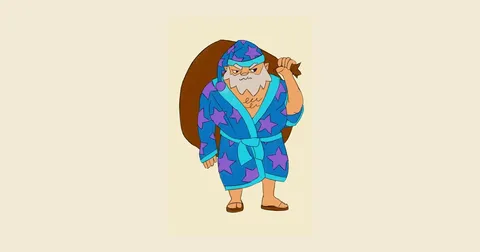
- Sketchbook
- . Hypnos from first sketch to 3D, early Rubbley concept art, characters, paintings, figure studies, pixel art and older traditional work.
- Learning the Fourier transform
- . A sine-wave mixer with a live Fourier transform, and how the FFT splits and recombines to get fast.
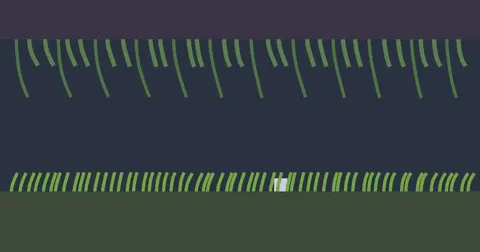
- Living fringe
- . Grass, moss and ivy that sway in the wind and bend away from whoever walks through them: Stephen Cassidy’s design, and how it shipped.
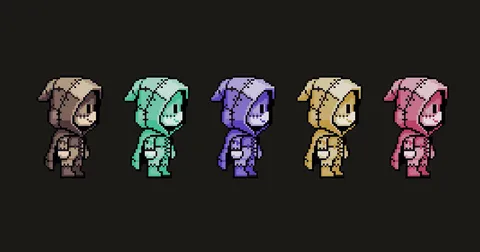
- Fiber
- . A four-player co-op platformer where the whole world is sewn from thread: the world, the Fiberkin and the systems underneath.
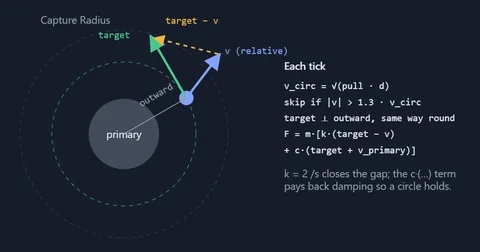
- How Rubbley’s gravity works
- . The Newtonian physics behind Rubbley, the small game tweaks layered on top, and the GDScript that implements them, with diagrams and an orbit simulator you can play with.
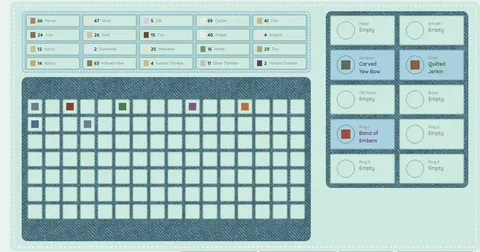
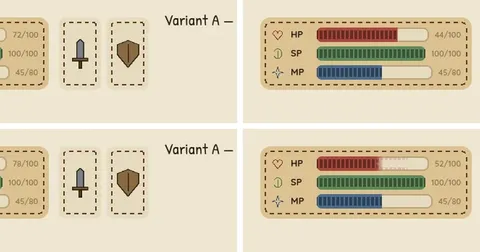
- Sewing Fiber’s UI
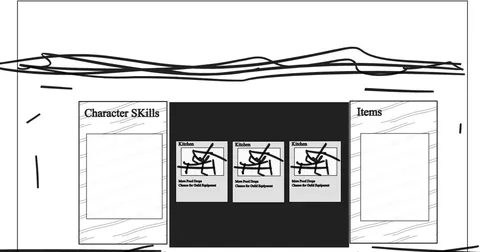
- . How Fiber’s menus, HUD, shop and auction house became fabric patches: the prototypes, the rules they settled, and screenshots from along the way.
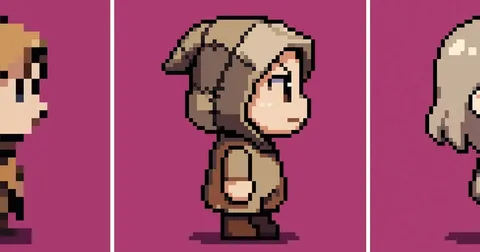
- Sketch to sprite
- . A local image-generation pipeline for pixel-art drafts: the fight to keep characters on model, a lot of failed animation attempts, and the hand cleanup in Aseprite. Every image is labeled as generated.
- Fiber’s software factory
- . How a loose idea becomes a merged feature: wayfinder maps, plans merged before issues, a scheduled agent and scripted playtests.
- Making hits land
- . Fiber’s data-driven enemies, and the small effects that make combat feel good: damage numbers, hit flash, screenshake, i-frames and hitstop.
- Remembering things
- . Maps that remember what you did when you warp away, and a save system that writes locally first and syncs to Nakama.
- Two players, one map
- . Fiber’s first working multiplayer session: a Nakama backend, a host-authoritative game, and the bugs that showed up first.
- Drafting dungeons
- . Fiber’s endgame: crafted dungeon keys, a party that drafts rooms card by card, and Stephen Cassidy’s door UI.
- Skills you sew
- . Emblems: skills as craftable items you weave, embroider and use as keys, and the first skill effect, Ember Slash.
- Stats and affixes
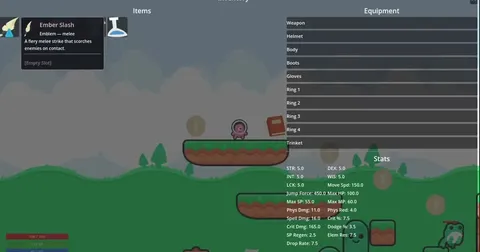
- . Fiber’s RPG stat system, graded item affixes, thread-based crafting and the equipment screen that shows it all.
- Fiber’s first month
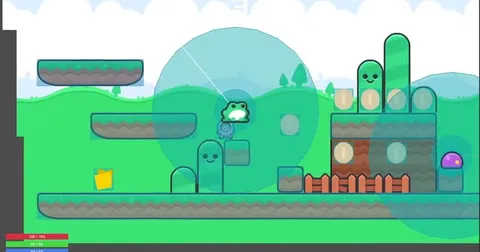
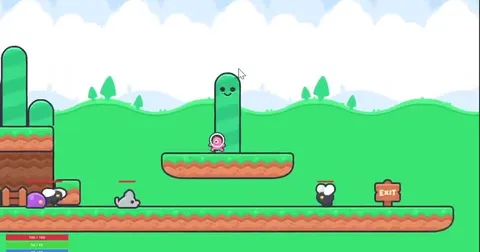
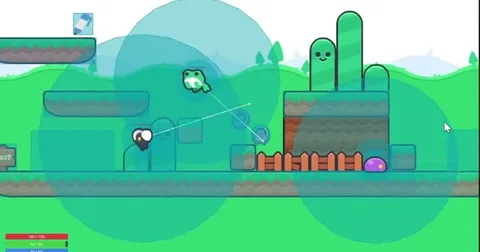
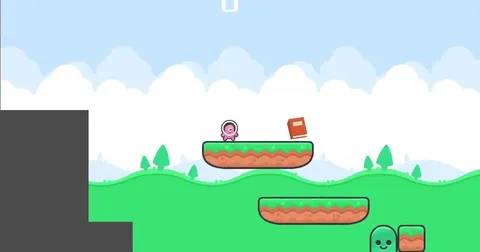
- . Starting a co-op platformer from Godot’s starter tutorial and Kenney placeholder art: a player state machine, one-way platforms, tests in CI and maps that connect.
Some of these posts were written up afterward from commit history, devlogs and recordings, and are dated to when the work shipped. Follow along with the RSS feed.